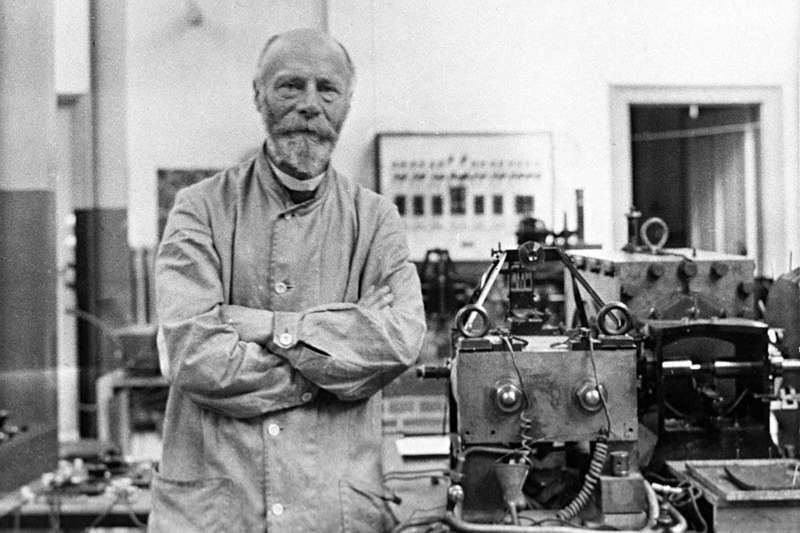
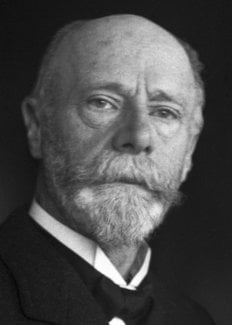
Dr. Wilhelm Conrad Röntgen discovered X-rays on November 8, 1895, creating the foundation for the field of radiology.

  • First human X-ray: He took a famous picture of his wife Anna’s hand, showing her bones clearly.
  • No patents: Röntgen refused to patent his work so doctors worldwide could use it freely to help patients.
  • Nobel Prize: He received the first-ever Nobel Prize in Physics in 1901 for his breakthrough.
Continue ReadingDr. Wilhelm Conrad Röntgen discovered X-rays on November 8, 1895, creating the foundation for the field of radiology.

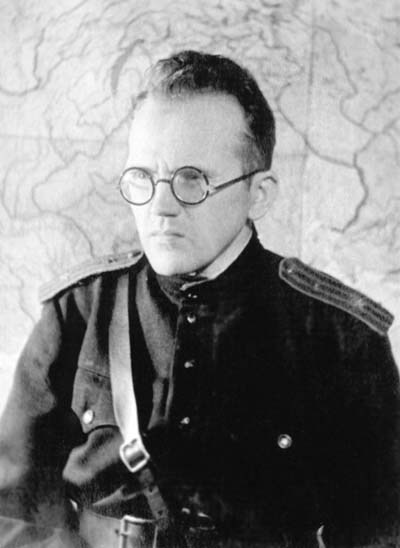
Dr. Frederick Banting: A Canadian pharmacologist, orthopedist, and field surgeon conceived the initial idea to extract insulin from the pancreas.  

For his co-discovery of insulin and its therapeutic potential, Banting was awarded the Nobel Prize in Physiology or Medicine with John Macleod, a professor who provided the lab space, oversight, and resources at the University of Toronto.

Continue ReadingDr. Frederick Banting: A Canadian pharmacologist, orthopedist, and field surgeon conceived the initial idea to extract insulin from the pancreas.  

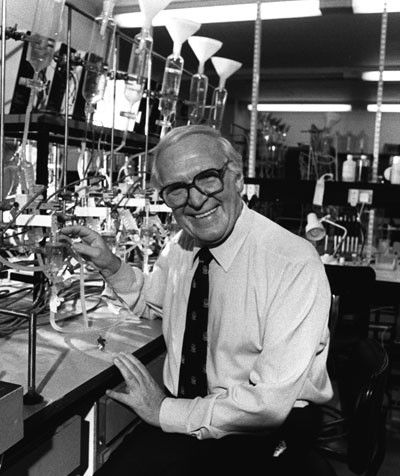
Sir James Black, a Scottish physician and pharmacologist, discovered the first beta-blocker drug (propranolol) in 1964, which laid the groundwork for preventing heart attacks and treating heart disease.

His inspiration came partly from his father’s sudden death from a heart attack when Black was a medical student, which drove him to find a way to stop adrenaline from overworking the heart.

Nobel Prize for Physiology or Medicine in 1988 for his pioneering drug design strategies.

Continue ReadingSir James Black, a Scottish physician and pharmacologist, discovered the first beta-blocker drug (propranolol) in 1964, which laid the groundwork for preventing heart attacks and treating heart disease.

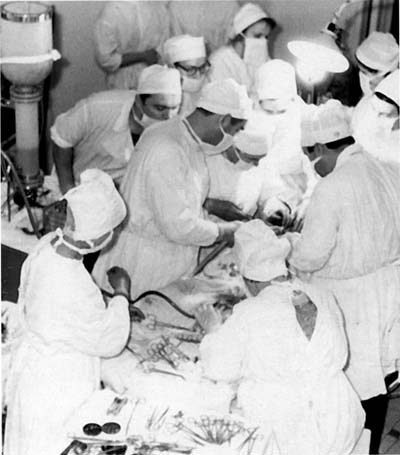
Dr. Christiaan Barnard performed the world’s first human-to-human heart transplant on December 3, 1967.

Surgery Details

  • Date: December 3, 1967
  • Location: Groote Schuur Hospital in Cape Town, South Africa
  • Surgeon: Dr. Christiaan Barnard led a team of 20 surgeons
  • Recipient: Louis Washkansky, a 53-year-old grocer with chronic heart disease
  • Donor: Denise Darvall, a 25-year-old woman certified brain-dead after a car accident
Continue ReadingDr. Christiaan Barnard performed the world’s first human-to-human heart transplant on December 3, 1967.

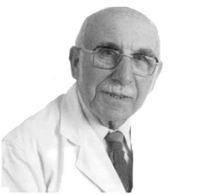
Dr. Robert H. Goetz performed the first successful clinical coronary artery bypass operation on May 2, 1960, using a special tantalum ring to connect the right internal thoracic artery to the coronary artery.

Continue ReadingDr. Robert H. Goetz performed the first successful clinical coronary artery bypass operation on May 2, 1960, using a special tantalum ring to connect the right internal thoracic artery to the coronary artery.

American general practitioner Dr. Lawrence Craven first observed and reported in the late 1940s and 1950s that daily low-dose aspirin could prevent heart attacks and strokes.

Dr. Lawrence Craven (1948–1950s): A California family physician who first noticed that patients chewing an aspirin-containing gum experienced increased bleeding. He went on to observe thousands of patients and recommended a daily low-dose aspirin to lower heart attack risks. His early clinical warnings were initially overlooked because they lacked formal randomized trials.

Continue ReadingAmerican general practitioner Dr. Lawrence Craven first observed and reported in the late 1940s and 1950s that daily low-dose aspirin could prevent heart attacks and strokes.